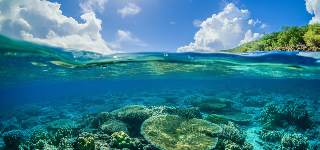
Average Depth: 14m | Max Depth: 19m | Difficulty Level: Beginner to Advanced
There was a question that kept coming up on the boat.
Are we actually going to find anything?
DIVEIndia has explored and dived these waters for almost 25 years. Generations of instructors, divemasters, guests, captains and crew have spent countless hours underwater around Havelock, Neil and the surrounding islands. So much has already been discovered, named and dived. What could possibly still be out there?
So, naturally, the question kept coming back, because finding an unexplored patch of reef doesn’t automatically mean finding a dive site worth returning to.
Thus, we decided to approach exploration differently. Rather than simply going out and hoping to get lucky, we developed a structured exploration methodology. We combined available bathymetry and electronic charts with what local captains and fishermen already knew, added a weather and sea-state check, and every dive was followed by a proper assessment.
The aim was to make exploration more systematic, while still leaving enough room for the Ocean to surprise us.
Inglis was where we would find out whether all of the above planning would actually work.
We identified five potential areas around Inglis Island for investigation. Of course there was no guarantee any of those would lead to an actual dive-able site. But then that exactly is the joy of exploration!
The first stage of each exploration was deliberately methodical. We assessed the area from the surface, considered the conditions and then sent teams underwater to investigate what was actually there. Once underwater, the process became much more intuitive.
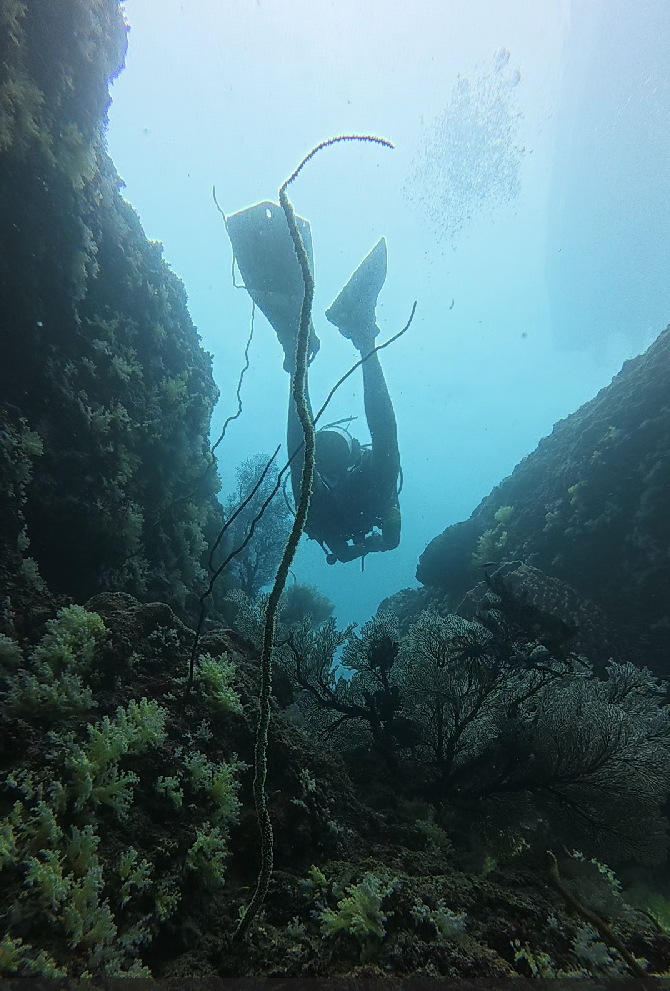
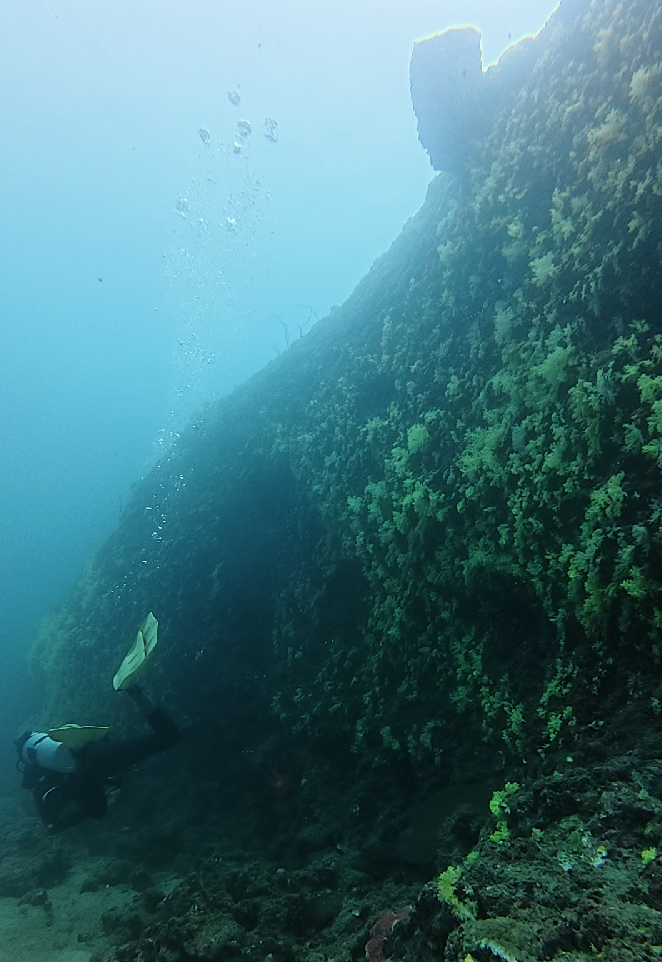
We weren’t following a fixed scientific transect. We were exploring. Reef structure dictated where we went next, while depth, current, coral, fish life, larger animals and potential hazards helped us decide whether a particular area deserved more attention. DPVs let us cover far more ground than we could by finning alone.
At Inglis, five areas eventually became three reefs worth serious consideration. And two of those were selected for further development.
One of them would become Holey Moley.
My first survey of the area was straightforward.
I would head out on the DPV, explore the planned section of reef and turn around after 15 minutes. The current was strong, the surface was moving, and the water was clearly making its presence known. At one point, the current was powerful enough to push my DPV backwards even at full speed. That absolutely gets your attention!
The weather was beautiful, and visibility was decent, so I continued the reconnaissance, assessed what I could and eventually surfaced where I had planned to.
Then Team 2: Hari PB, Suman a.k.a. “Jerry” and Greetika entered the water.
They started from exactly where I had exited.
And almost immediately, they found it.
Barely 50 metres away, a substantial pinnacle rose from the surrounding reef. It had pronounced relief, multiple swim-throughs and a completely different character from the reef I had just been exploring. The first team had missed it by just that much!
And honestly, I found that hilarious.
Not because the methodology had failed. It hadn’t. We had followed the plan, stayed within the agreed turnaround and conducted the reconnaissance as intended. But exploration has a wonderful way of reminding you that you can plan everything carefully and still miss something spectacular sitting just around the corner.
When I finally saw the pinnacle properly, my first reaction wasn’t particularly technical.
It was fascination.
The structure immediately stood out. The pinnacle rose sharply from the surrounding reef, with holes cutting through it and strong water movement sweeping across its exposed sections.
It looked like the kind of place that demanded exploration.
And then I noticed the coral. The soft, popcorn-like coral growing across parts of the pinnacle immediately reminded me of the formations at Dickson’s Pinnacle—a little like we’d somehow discovered a smaller cousin that had been hiding in the family all along.
Except, of course, this one had a few more holes.
The more we explored it, the more interesting it became. Giant Trevallies moved around the pinnacle. Jackfish passed through the blue. Moray eels occupied the reef, rays appeared during our dives, and extensive garden eel colonies added another layer to the site.
The structure wasn’t simply something to swim around. It seemed to be doing something for the animals that lived there.
One of the things that fascinated me most about Holey Moley was the way it seemed to function almost like a station—a place where different animals seem to arrive, shelter from the current, rest for a while and then move on. Moving water hammered the exposed sections of the pinnacle, while the swim-throughs and sheltered spaces offered refuge.
During one dive, the current outside the pinnacle was running hard enough that the dive team took shelter inside one of the swim-throughs.
We weren’t alone! Inside were two enormous Giant Trevallies and a large moray eel.
For a few minutes, everyone simply occupied the same small piece of reef. And nobody seemed particularly bothered by anybody else. It was also one of those moments when the site began to make sense.
Those swim-throughs weren’t just fun features for divers. They were part of what made this reef interesting.
Finding something interesting is only the beginning. When Hari, Jerry and Greetika surfaced after that first dive, they were grinning from ear to ear, and you could feel the mood on the boat shift. Until then, Holey Moley had just been a promising-looking pinnacle. Now it felt like something more.
Of course, smiles aren’t a particularly rigorous assessment tool. So we still had to ask the less romantic questions.
We assessed each promising site the same way: coral health, fish life, safety, accessibility, visibility and how good the actual dive would be. We wanted to understand not just whether the reef was biologically interesting, but whether it offered a worthwhile and operationally sensible diving experience. Why? Because a healthy reef isn’t automatically a good recreational dive site.
Holey Moley had challenges. The site is exposed, and current strength can range from moderate to strong, particularly during certain tidal phases. It is a site that requires appropriate planning, conditions and diver experience. But it also had something that is much harder to quantify.
It made us want to come back.
And, perhaps most importantly, we wanted to dive it again.
And again.
And again.
Every dive added something new to the experience, and every time we surfaced, the team buzzed.
Turtles, schools of jackfish, and bannerfish greeted us. Sea kraits became almost a regular occurrence. And then there was the Goliath Grouper—an animal so large that it seemed keen on making some of our Dive Pros look comparatively small.
With every dive, the site revealed a little more of itself.
The swim-throughs felt different depending on the current and the direction of the dive. Fish moved through the pinnacle in constantly changing patterns. The soft coral kept catching my eye. And there was always the feeling that something interesting might appear around the next corner.
That, ultimately, is probably one of the best tests of a new dive site.
Do you want to dive it? We really want to.
The real question is: When are you joining us?
About the Author
Mrigank is an XR and Divemaster Instructor who has been diving since 2016. His ecology and conservation work took him from Mumbai’s leopards and central India’s tigers to the frogs and snakes of the Western Ghats and North-East India, before landing him amongst the marine denizens of the Andamans.
Average Depth: 14m | Max Depth: 19m | Difficulty Level: Beginner to Advanced
There was a question that kept coming up on the boat.
Are we actually going to find anything?
DIVEIndia has explored and dived these waters for almost 25 years. Generations of instructors, divemasters, guests, captains and crew have spent countless hours underwater around Havelock, Neil and the surrounding islands. So much has already been discovered, named and dived. What could possibly still be out there?
So, naturally, the question kept coming back, because finding an unexplored patch of reef doesn’t automatically mean finding a dive site worth returning to.
Thus, we decided to approach exploration differently. Rather than simply going out and hoping to get lucky, we developed a structured exploration methodology. We combined available bathymetry and electronic charts with what local captains and fishermen already knew, added a weather and sea-state check, and every dive was followed by a proper assessment.
The aim was to make exploration more systematic, while still leaving enough room for the Ocean to surprise us.
Inglis was where we would find out whether all of the above planning would actually work.
We identified five potential areas around Inglis Island for investigation. Of course there was no guarantee any of those would lead to an actual dive-able site. But then that exactly is the joy of exploration!
The first stage of each exploration was deliberately methodical. We assessed the area from the surface, considered the conditions and then sent teams underwater to investigate what was actually there. Once underwater, the process became much more intuitive.
We weren’t following a fixed scientific transect. We were exploring. Reef structure dictated where we went next, while depth, current, coral, fish life, larger animals and potential hazards helped us decide whether a particular area deserved more attention. DPVs let us cover far more ground than we could by finning alone.
At Inglis, five areas eventually became three reefs worth serious consideration. And two of those were selected for further development.
One of them would become Holey Moley.
My first survey of the area was straightforward.
I would head out on the DPV, explore the planned section of reef and turn around after 15 minutes. The current was strong, the surface was moving, and the water was clearly making its presence known. At one point, the current was powerful enough to push my DPV backwards even at full speed. That absolutely gets your attention!
The weather was beautiful, and visibility was decent, so I continued the reconnaissance, assessed what I could and eventually surfaced where I had planned to.
Then Team 2: Hari PB, Suman a.k.a. “Jerry” and Greetika entered the water.
They started from exactly where I had exited.
And almost immediately, they found it.
Barely 50 metres away, a substantial pinnacle rose from the surrounding reef. It had pronounced relief, multiple swim-throughs and a completely different character from the reef I had just been exploring. The first team had missed it by just that much!
And honestly, I found that hilarious.
Not because the methodology had failed. It hadn’t. We had followed the plan, stayed within the agreed turnaround and conducted the reconnaissance as intended. But exploration has a wonderful way of reminding you that you can plan everything carefully and still miss something spectacular sitting just around the corner.
When I finally saw the pinnacle properly, my first reaction wasn’t particularly technical.
It was fascination.
The structure immediately stood out. The pinnacle rose sharply from the surrounding reef, with holes cutting through it and strong water movement sweeping across its exposed sections.
It looked like the kind of place that demanded exploration.
And then I noticed the coral. The soft, popcorn-like coral growing across parts of the pinnacle immediately reminded me of the formations at Dickson’s Pinnacle—a little like we’d somehow discovered a smaller cousin that had been hiding in the family all along.
Except, of course, this one had a few more holes.
The more we explored it, the more interesting it became. Giant Trevallies moved around the pinnacle. Jackfish passed through the blue. Moray eels occupied the reef, rays appeared during our dives, and extensive garden eel colonies added another layer to the site.
The structure wasn’t simply something to swim around. It seemed to be doing something for the animals that lived there.
One of the things that fascinated me most about Holey Moley was the way it seemed to function almost like a station—a place where different animals seem to arrive, shelter from the current, rest for a while and then move on. Moving water hammered the exposed sections of the pinnacle, while the swim-throughs and sheltered spaces offered refuge.
During one dive, the current outside the pinnacle was running hard enough that the dive team took shelter inside one of the swim-throughs.
We weren’t alone! Inside were two enormous Giant Trevallies and a large moray eel.
For a few minutes, everyone simply occupied the same small piece of reef. And nobody seemed particularly bothered by anybody else. It was also one of those moments when the site began to make sense.
Those swim-throughs weren’t just fun features for divers. They were part of what made this reef interesting.
Finding something interesting is only the beginning. When Hari, Jerry and Greetika surfaced after that first dive, they were grinning from ear to ear, and you could feel the mood on the boat shift. Until then, Holey Moley had just been a promising-looking pinnacle. Now it felt like something more.
Of course, smiles aren’t a particularly rigorous assessment tool. So we still had to ask the less romantic questions.
We assessed each promising site the same way: coral health, fish life, safety, accessibility, visibility and how good the actual dive would be. We wanted to understand not just whether the reef was biologically interesting, but whether it offered a worthwhile and operationally sensible diving experience. Why? Because a healthy reef isn’t automatically a good recreational dive site.
Holey Moley had challenges. The site is exposed, and current strength can range from moderate to strong, particularly during certain tidal phases. It is a site that requires appropriate planning, conditions and diver experience. But it also had something that is much harder to quantify.
It made us want to come back.
And, perhaps most importantly, we wanted to dive it again.
And again.
And again.
Every dive added something new to the experience, and every time we surfaced, the team buzzed.
Turtles, schools of jackfish, and bannerfish greeted us. Sea kraits became almost a regular occurrence. And then there was the Goliath Grouper—an animal so large that it seemed keen on making some of our Dive Pros look comparatively small.
With every dive, the site revealed a little more of itself.
The swim-throughs felt different depending on the current and the direction of the dive. Fish moved through the pinnacle in constantly changing patterns. The soft coral kept catching my eye. And there was always the feeling that something interesting might appear around the next corner.
That, ultimately, is probably one of the best tests of a new dive site.
Do you want to dive it? We really want to.
The real question is: When are you joining us?
About the Author
Mrigank is an XR and Divemaster Instructor who has been diving since 2016. His ecology and conservation work took him from Mumbai’s leopards and central India’s tigers to the frogs and snakes of the Western Ghats and North-East India, before landing him amongst the marine denizens of the Andamans.